HEALTH BENIFITS OF CINNAMON
In
the herbal supplement / medicine product area, cinnamon has long had a
traditional usage to improve digestion, taken as a tea after a meal, or
added to the meal itself. More recently it has been associated with
benefits to a wide range of ailments, including control of Type 2
diabetes (reducing blood sugar levels through increasing the
effectiveness of insulin and increasing glucose absorption), lowering
blood pressure, improving circulation, reducing cholesterol levels,
relief of pain from arthritis and more general reduction of muscle and
joint pain; with strong anti-oxidant activity and anti microbial
activity. Much of its medicinal activities are thought to be related to
its terpenoid content, especially eugenol and cinnamaldehyde.
Cinnamon has long been used to
aid digestion, and is of particular use for those that suffer from
stomach cramps, IBS, and other common stomach/digestive disorders that
result in bloating, heartburn, nausea, dyspepsia, flatulence,
indigestion and stomach ache. Reported activities include
anti-spasmodic, anti-ulcer, choleretic and antipyretic. A cinnamon tea
taken after the meal, or the addition of the ground spice to a meal aids
digestion.
The anti-fungal and
anti-bacterial activities of cinnamon are reported to be useful in
combating ulcers, and yeasts (oral candidiasis). Larvicidal properties
are reported to be effective against headlice.
According to the WHO Monograph,
traditional uses include: Uses described in pharmacopoeias and in
traditional systems of medicine: the treatment of dyspeptic conditions
such as mild spastic conditions of the gastrointestinal tract, fullness
and flatulence, and loss of appetite. Also used to treat abdominal pain
with diarrhoea, and pain associated with amenorrhoea and
dysmenorrhoea. Uses described in folk medicine, clinical data: the
treatment of impotence, frigidity, dyspnoea, inflammation of the eye,
leukorrhoea, vaginitis, rheumatism, neuralgia, wounds, and toothache.
Germany’s Commission E approves the use of cinnamon for improving appetite and relieving indigestion.
Both the German Commission E, and the WHO Monograph on Cinnamon recommend daily doses of ground powder in the range 2 to 4 gms.
Recent work has focused on the
benefits of cinnamon in managing Type 2 diabetes. A 2003 study
published in the Diabetes Care journal followed Type 2 diabetics take a
range of daily doses. Benefits over placebo included reduced mean
fasting serum levels by 18-29%, triglyceride levels by 23-30%, LDL
cholesterol by 7-27% and total cholesterol by 12-26%. These effects may
also be beneficial for non-diabetics to prevent and control elevated
blood glucose and blood lipid levels. In a recent review of three
studies evaluating the efficacy of cinnamon supplementation in type 2
diabetics, two of the studies reported benefits in lowering blood
glucose levels, while one trial showed no benefit over the placebo
treatment.
As with many products, cinnamon supplementation for medicinal usage is contra-indicated during pregnancy.
|
Sunday, May 11, 2014

Our Products
Specialising in Pure Ceylon Cinnamon, Ceylon Heritage Products (Pvt) Ltd., produces
a diversified portfolio of rich spices for export. We grade our
products according to Quality, keeping in mind the different needs of
our valued clients.
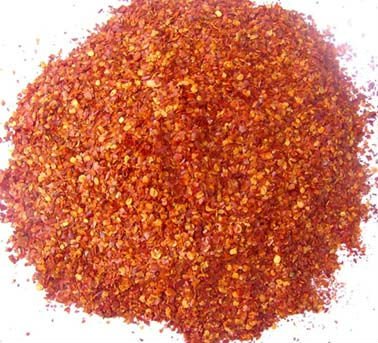
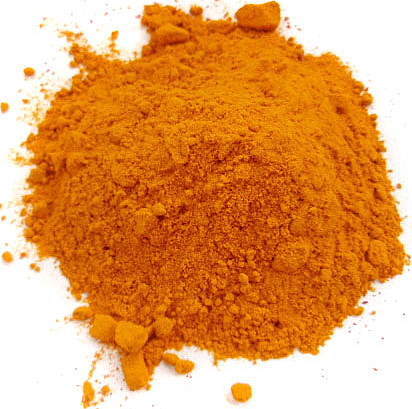
We produce and export several categories of Cinnamon: ALBA, 5C-SP, 5C, 4C, 5M, 4M, H1, H2, H2 FAQ, No 1 Quillings, No 2 Quillings, Cut Cinnamon, Cinnamon Powder, Cinnamon Leaves.. Other high demand spice products manufactured by us include: Black Pepper, Cloves, Cardamom & Garcinia Rings (Goraka), Tumeric Powder, Dried Chillies, Dry Chilli Powder & Dry Chilli Pieces .
We believe products specialisation
leads to improved quality in our exports.
|
||||||||||||||||||||||||||||||||||||
|
||||||||||||||||||||||||||||||||||||
|
||||||||||||||||||||||||||||||||||||
| ||||||||||||||||||||||||||||||||||||
| ||||||||||||||||||||||||||||||||||||




History of Spices in Sri Lanka
Following are some of the commonly used spice mixtures of Sri Lanka and around the world for food flavoring & etc:
• Cinnamon
• Pepper
• Cloves
• Cardamom
• Chilli Powder & Picies
Ras al hanout, a Moroccan spice blend which includes cinnamon and cumin among other spices People have used spices for centuries mainly to enhance food palatability. This appetite for precious spices led the Europeans to plant spice trees and develop spice plantations in their colonies. Sri Lanka then known as Ceylon was one such colony of the British where spices were planted in Sri Lanka for commercial purposes.
History reveals that it’s the Dutch who first created spice plantations for commercial purposes. Realizing that it’s a profitable trade French & British too entered the trade. Hence spice plantations and island multiplied all over their colonies In 1720s valuable spice trees such as nutmeg and clove were brought to Mauritius from Moluccas to establish a spice island by the French. Within a few years this island had 400 rooted nutmeg trees and 70 rooted clove trees. By the 1790 spice plantations were created in other French territories although some believed that most valuable spices should be restricted to the Mauritius. AS a result transplantations were done in islands off the coast of Africa, Madagascar, and West Indies where the climate was also suitable for growing spices.
In 1790s the British too realized it is profitable to take seedlings out of Banda for transplanting into their own colonies. As a result the British planted spice trees in Sri Lanka, then known as Ceylon, in Bencoolen and Penang, Hence this can be regarded as evolution of spice plantation of Sri Lanka.
Even before becoming a colony of the British Sri Lanka has attracted maritime merchants because of the spice plantation of Sri Lanka as Cloves, Cardamom, Pepper, Nutmeg, Mace, Ginger and Cinnamon are grown, processed and exported on a large scale from the earliest of times. While Sri Lanka’s most prominent export today might be tea, historically the most important has been spices from spice plantations of Sri Lanka , mainly Cinnamon. In fact, so strong is the connection between Cinnamon and Sri Lanka that its botanical name – Cinnamomum Zeylanicum is derived from the island’s former name, Ceylon.
During the 16th through to the 18th centuries, spices from spice plantations of Sri Lanka were the main trade over which may long and costly wars were fought. Today, Sri Lanka is a leading producer of spices and still remains the world’s leading source of Cinnamon, producing not only four–fifths of the world’s production but in choicest spice plantations of Sri Lanka as well. Although the spice trade from spice pl of Sri Lanka is not a profitable venture it once was, spices such as cinnamon, cardamom, cloves, nutmeg and mace, black pepper and turmeric are still grown in spice gardens of Sri Lanka for export purposes. In addition to these spices, the tropical climate enables the home cultivation of many other spices, such as vanilla in spice gardens of Sri Lanka.
Subscribe to:
Posts (Atom)